Fed Mulls Rate Hikes; Coinbase Gets Charter OK; Robinhood Win Trump Account Business
.png)
Situation with Iran is leading to inflation concerns. Fed officials debate possible rate hikes. FedNow proposes rule change to allow intermediaries. Cash App offers financing on P2P payments. BNY, Robinhood win “Trump Account” business. Coinbase national trust charter OK’d, as Lorum files for one.
We're excited to announce we've raised $50 million in common equity capital from accounts advised by T. Rowe Price. While others focus on a single product, we've built a platform where payments, cards, lending, and crypto are already connected. Now we're going bigger: scaling crypto, advancing AI, and expanding internationally.
New here? Subscribe here to get our newsletter each Sunday. For even more updates, follow us on LinkedIn.
Fed Officials Mull Rate Hikes
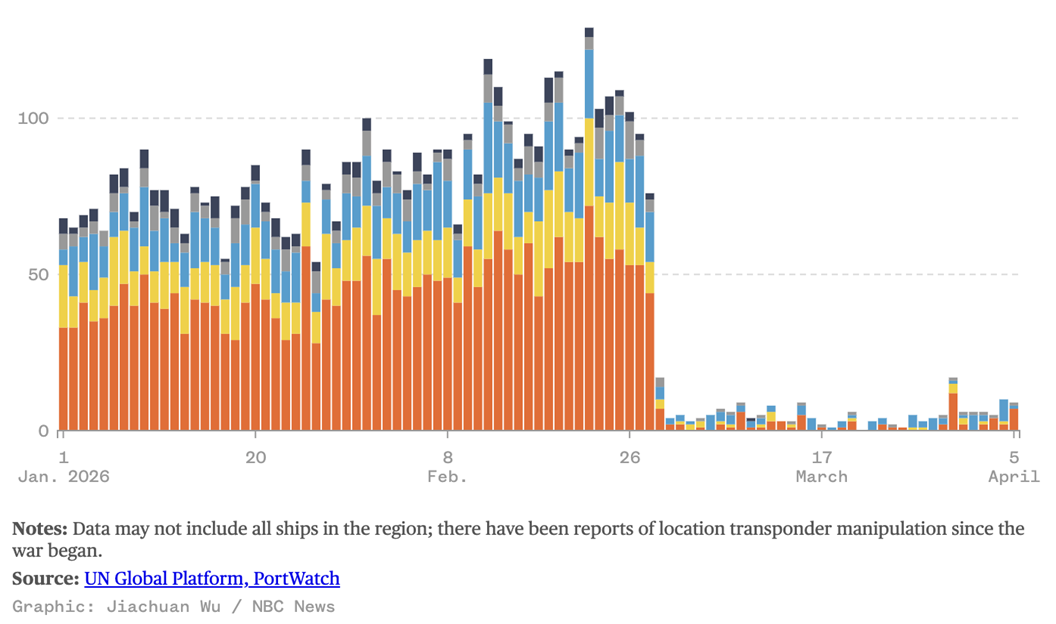
It’s unclear if, when this reaches you, the Strait of Hormuz will be “opened” or “closed,” though even this framing is a bit reductive. A significant barrier to restoring a normal volume of shipping through the narrow channel is a financial one – insurance – rather than just a physical one. Regardless, even if normal traffic through the strait is restored by the time this lands in your inbox, analysts widely agree that supply disruptions, both from the closure and from damage to energy infrastructure in the Middle East, will have significant economic repercussions for months if not years.
It is widely anticipated that these supply disruptions will put upward pressure on inflation, which remains above the Fed’s long-term target of 2%. Minutes from the most recent Federal Open Market Committee meeting released last week show that a growing number of policymakers think rate hikes may be necessary to combat inflationary pressures. Per those meeting minutes, “Some participants judged that there was a strong case for a two-sided description of the (Federal Open Market) Committee's future interest rate decisions in the post-meeting statement, reflecting the possibility that upwards adjustments to the target range for the federal funds rate could be appropriate if inflation were to remain at above-target levels.”
FedNow Wants to Go Global
The Federal Reserve-operated real-time payment system, FedNow, has issued a proposal that would facilitate use of the service in cross-border transactions. Currently, FedNow transactions can only occur between two U.S. banks or credit unions, in addition to the Federal Reserve Bank facilitating the transaction. Functionally, this limits FedNow to domestic use cases. The proposed rule change would allow banks to include intermediaries in payments, potentially enabling FedNow to be used for cross-border payments. For example, Intermediaries could include a non-U.S. correspondent bank. According to the proposal from the Fed, “Since the launch of FedNow, participants have expressed interest in using the service to initiate or receive cross-border instant payments as a means of improving the speed and efficiency of cross-border payments.”
Cash App Offers Financing on P2P Payments
Popular peer-to-peer payment service Cash App is launching a new feature allowing users to, effectively, finance payments to their friends and family. The company describes the offering as “extending installment payments beyond the merchant checkout.” Eligible Cash App users can select recent P2P transactions they’ve made and convert them into installment plans for flat fee, receiving the funds into their Cash App account. The feature is a logical extension for Cash App, given its acquisition of buy now pay later provider Afterpay and its push into small-dollar lending with Cash App Borrow. Owen Jennings, head of business at Cash App parent company Block, commented on the news, saying, “Millions of customers already use pay-over-time features within Cash App for card purchases, and this expansion builds on that existing behavior by extending a familiar experience to more transaction types within the app.”
BNY, Robinhood Benefit From “Trump Accounts”
Bank of New York Mellon and Robinhood are two early winners as the U.S. Department of Treasury moves to operationalize “Trump Accounts,” the savings/investment accounts for children created by a new tax law last year. Treasury designated BNY as its fiscal agent to manage the accounts. BNY will work with Robinhood, which is tasked with designing and developing an app to access and manage the accounts, as well as providing customer service. The Wall Street Journal describes the future app as being a “custom white-label product for Treasury,” meaning it will not be BNY- or Robinhood-branded. Robinhood cofounder and CEO Vlad Tenev commented on the development, saying, “Our task is clear: to provide the next generation of Americans with a world-class, intuitive platform to jump-start their financial future.”
Coinbase Trust Charter OK’d, As Lorum Applies for One
Crypto exchange Coinbase has won conditional approval of its OCC application to form a national trust bank, Coinbase National Trust Company. Coinbase initially applied last October and becomes the latest entity to win conditional charter approval. Greg Tusar, co-CEO of Coinbase Institutional, emphasized that Coinbase isn’t seeking to become a full-service deposit-taking bank, and argued that the trust bank charter would “bring consistency and uniformity to our custody business.”
In other charter news, cash management platform Lorum has filed an application to form a national trust bank as well. The company’s founder, George Davis, described his vision as building a “new-age BNY.” Davis also pointed out to Banking Dive that a national trust charter would enable Lorum to apply for a Federal Reserve master account, allowing it to avoid reliance on and the cost of working with a partner bank. The company, currently based in Dubai, focuses on cross-border trade and operates as a specialist correspondent institution that provides custody, clearing, and cash management.
